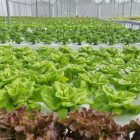
Water temperature plays a critical role in the growth and development of greenhouse vegetables. It directly influences various physiological processes, including nutrient uptake, root growth, and overall plant health.
Key Effects of Water Temperature:
- Nutrient Uptake: Warmer water temperatures can enhance the absorption of nutrients by plant roots. This is because warmer water increases the solubility of nutrients, making them more readily available for uptake. However, excessively high temperatures can damage root cells and reduce nutrient absorption.
- Root Growth: Optimal root zone temperatures are essential for healthy root development. Roots typically grow best within a specific temperature range. Too cold or too hot water can hinder root growth and reduce the plant’s ability to absorb water and nutrients.
- Seed Germination: Water temperature can significantly affect seed germination rates. Many seeds have specific temperature requirements for optimal germination. If the water temperature is too cold or too hot, germination may be delayed or prevented.
- Plant Metabolism: Water temperature influences plant metabolism, including photosynthesis, respiration, and enzyme activity. Moderate water temperatures can promote efficient metabolic processes, leading to healthy plant growth and development.
- Disease Control: Warmer water temperatures can create a more favorable environment for certain plant pathogens. However, proper water management techniques, such as maintaining good water quality and avoiding stagnant water, can help prevent disease outbreaks.
Optimal Water Temperature for Greenhouse Vegetables:
The ideal water temperature for greenhouse vegetables varies depending on the specific crop and its growth stage. Generally, a temperature range of 65-75°F (18-24°C) is considered optimal for many vegetables. However, some plants may have slightly different preferences.
Managing Water Temperature in Greenhouses:
To ensure optimal water temperatures for greenhouse vegetables, consider the following strategies:
- Water Heating: Use water heaters or boilers to warm water during colder periods.
- Water Cooling: Employ cooling systems, such as evaporative coolers or chillers, to lower water temperatures in hot weather.
- Insulated Pipes and Tanks: Insulate water pipes and storage tanks to minimize heat loss or gain.
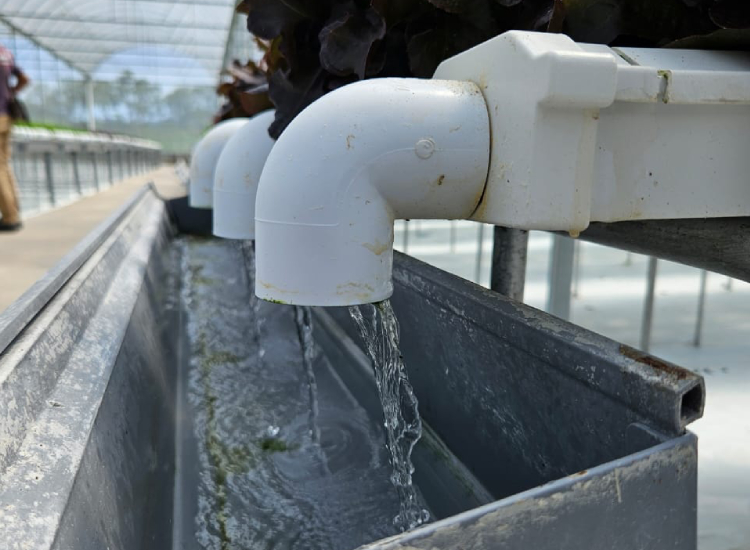
- Water Circulation: Circulate water to maintain consistent temperatures throughout the greenhouse system.
- Regular Monitoring: Monitor water temperatures regularly and adjust systems as needed.
By carefully managing water temperature, greenhouse growers can create an ideal environment for their plants, promoting healthy growth, maximizing yields, and improving overall crop quality.