Pythium Disease: A Common Fungal Foe

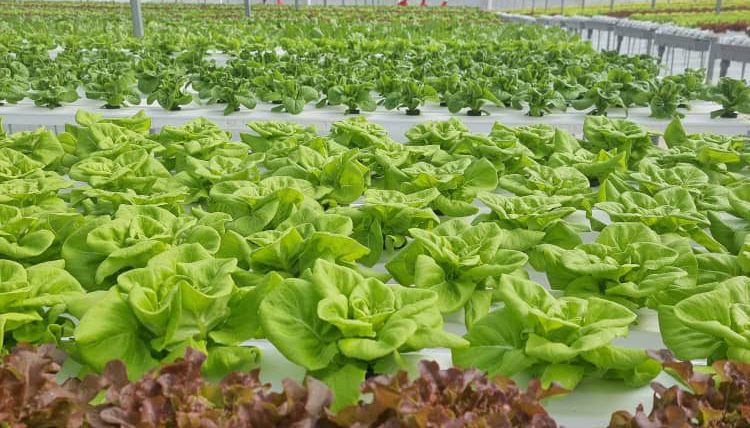
Pythium, a genus of oomycetes, is a prevalent fungal pathogen that can cause significant damage to a wide range of plants. This disease often affects seedlings, young plants, and plants under stress. Understanding the symptoms, causes, and prevention methods of Pythium disease is crucial for maintaining healthy crops.

Symptoms of Pythium Disease

Pythium disease can manifest in various ways, depending on the plant species and the stage of growth. Common symptoms include:

  • Damping-off: Seedlings may fail to emerge or rot off at the soil line.
  • Root rot: The roots become discoloured, water-soaked, and may eventually rot.
  • Stem rot: The base of the stem turns brown or black and may collapse.
  • Leaf blight: Leaves develop water-soaked spots that can spread and cause wilting.

Causes of Pythium Disease

Pythium thrives in warm, moist conditions. Excessive moisture, poor soil drainage, and high humidity can create an ideal environment for the fungus to proliferate. Additionally, weakened plants or those under stress are more susceptible to infection.

Prevention and Control of Pythium Disease

While it can be challenging to completely eliminate Pythium from a growing environment, several strategies can help prevent and control the disease:

  • Proper sanitation: Clean up plant debris and avoid overcrowding to reduce the spread of the fungus.
  • Soil preparation: Ensure good soil drainage and avoid planting in waterlogged areas.
  • Seed treatment: Treat seeds with fungicides to protect them from Pythium infection.
  • Resistant varieties: Choose plant varieties that are known to be more resistant to Pythium disease.
  • Biological control: Use beneficial microorganisms, such as Trichoderma species, to compete with Pythium.
  • Chemical control: In severe cases, fungicides can be applied to control the disease. However, it is important to follow label instructions carefully and consider the potential impact on beneficial organisms.

Conclusion

Pythium disease can pose a significant threat to plant health. By understanding the symptoms, causes, and prevention methods, growers can take proactive steps to minimize its impact. Early detection and appropriate management strategies are essential for maintaining healthy crops and preventing significant losses.

Read More

Introduction of Berjaya Hill Resorts Berhad

Berjaya Hills is a highland resort destination in Pahang near Bentong, located along Karak Highway after Genting Highlands. Perched 820 meters high on a mountain ridge, this integrated resort development features Colmar Tropicale – a French themed hotel and cultural village inspired by the traditional architecture of Alsace region in France.

The Japanese Village is also a popular tourist attraction within the vicinity, along with a luxury resort (The Chateau Spa & Organic Wellness Resort) and championship golf course. Perched high up among the highlands, the weather is a cooling climate of mist and sunshine, with lush, natural surroundings composed of rainforests and meandering valleys.

Berjaya Hills Resorts Berhad is a renowned hospitality company that operates several luxurious resorts and hotels in Malaysia. With a focus on providing exceptional guest experiences, Berjaya Hills Resorts Berhad has established itself as a leading player in the tourism industry.

One of the company’s most notable properties is the Berjaya Hills Country Club, located in the Cameron Highlands. This resort offers a serene escape with its lush surroundings, comfortable accommodations, and a wide range of recreational facilities. Guests can enjoy golfing, tennis, swimming, and horseback riding, while also indulging in rejuvenating spa treatments.

Established since 2000, Berjaya Hills is one of Malaysia’s more recent hill resorts, but remains a major tourist destination for local and international visitors. Only an hour away from Kuala Lumpur by car, it shares its geographical boundaries with Genting Highlands across the Titiwangsa mountain range, presenting a convenient family retreat for the weekend in cooling weather.

Read More

The Impact of Water Temperature on Greenhouse Vegetable Growth

Water temperature plays a critical role in the growth and development of greenhouse vegetables. It directly influences various physiological processes, including nutrient uptake, root growth, and overall plant health.

Key Effects of Water Temperature:

  1. Nutrient Uptake: Warmer water temperatures can enhance the absorption of nutrients by plant roots. This is because warmer water increases the solubility of nutrients, making them more readily available for uptake. However, excessively high temperatures can damage root cells and reduce nutrient absorption.
  2. Root Growth: Optimal root zone temperatures are essential for healthy root development. Roots typically grow best within a specific temperature range. Too cold or too hot water can hinder root growth and reduce the plant’s ability to absorb water and nutrients.
  3. Seed Germination: Water temperature can significantly affect seed germination rates. Many seeds have specific temperature requirements for optimal germination. If the water temperature is too cold or too hot, germination may be delayed or prevented.
  4. Plant Metabolism: Water temperature influences plant metabolism, including photosynthesis, respiration, and enzyme activity. Moderate water temperatures can promote efficient metabolic processes, leading to healthy plant growth and development.
  5. Disease Control: Warmer water temperatures can create a more favorable environment for certain plant pathogens. However, proper water management techniques, such as maintaining good water quality and avoiding stagnant water, can help prevent disease outbreaks.

Optimal Water Temperature for Greenhouse Vegetables:

The ideal water temperature for greenhouse vegetables varies depending on the specific crop and its growth stage. Generally, a temperature range of 65-75°F (18-24°C) is considered optimal for many vegetables. However, some plants may have slightly different preferences.

Managing Water Temperature in Greenhouses:

To ensure optimal water temperatures for greenhouse vegetables, consider the following strategies:

  • Water Heating: Use water heaters or boilers to warm water during colder periods.
  • Water Cooling: Employ cooling systems, such as evaporative coolers or chillers, to lower water temperatures in hot weather.
  • Insulated Pipes and Tanks: Insulate water pipes and storage tanks to minimize heat loss or gain.
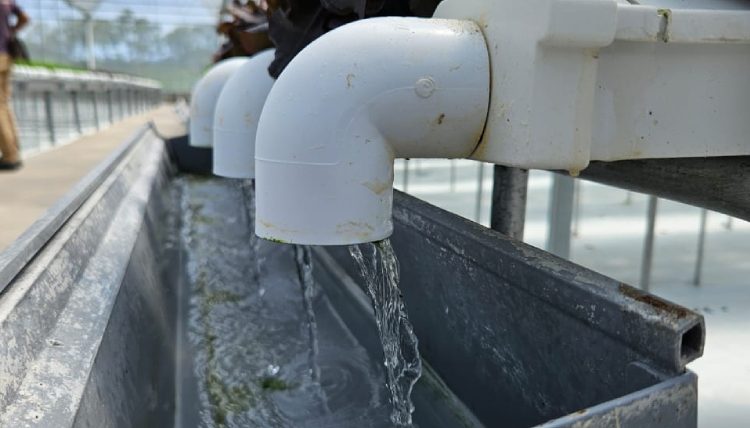
  • Water Circulation: Circulate water to maintain consistent temperatures throughout the greenhouse system.
  • Regular Monitoring: Monitor water temperatures regularly and adjust systems as needed.

By carefully managing water temperature, greenhouse growers can create an ideal environment for their plants, promoting healthy growth, maximizing yields, and improving overall crop quality.

Read More

Amount of Freak Bread or Other Fruits

There are many variations of passages of Lorem Ipsum available, but the majority have suffered alteration in some injected or words which don’t look even slightly believable. If you are going to use a passage of Lorem Ipsum, you need to be sure there isn’t anything embarrassing hidden

Read More

Agriculture Miracle you Don’t Know About

There are many variations of passages of Lorem Ipsum available, but the majority have suffered alteration in some injected or words which don’t look even slightly believable. If you are going to use a passage of Lorem Ipsum, you need to be sure there isn’t anything embarrassing hidden

Read More

Amount of Freak Bread or Other Fruits

There are many variations of passages of Lorem Ipsum available, but the majority have suffered alteration in some injected or words which don’t look even slightly believable. If you are going to use a passage of Lorem Ipsum, you need to be sure there isn’t anything embarrassing hidden

Read More

Winter Wheat Harvest Gathering Momentum

There are many variations of passages of Lorem Ipsum available, but the majority have suffered alteration in some injected or words which don’t look even slightly believable. If you are going to use a passage of Lorem Ipsum, you need to be sure there isn’t anything embarrassing hidden

Read More
  • 1
  • 2
×